Department for Education
for Education
Featured
The incentive is backed by £200 million investment to support schools and colleges attract and retain the excellent teachers they need in vital subjects.

First phase of the biggest ever expansion of childcare starts giving working parents of 2-year-olds access to 15 hours a week.

Every state school in England will now share their daily attendance registers across the education sector.

Childminder recruitment and retention consultation
Open consultation
We are seeking views on Department for Education proposals to support childminders and childminder agencies (CMAs) and future policy development.

Free courses for jobs
Guidance
Explains how to apply for a free level 3 qualification. These courses could help you improve your wage outcomes and job prospects, and gain skills that employers value.

The mandatory course for special educational needs co-ordinators (SENCOs) to learn how to effectively perform the SENCO role.

Latest from the Department for Education
What we do
The Department for Education is responsible for children’s services and education, including early years, schools, higher and further education policy, apprenticeships and wider skills in England.
DfE is a ministerial department, supported by 18 agencies and public bodies.
Follow us
Documents
Transparency and freedom of information releases
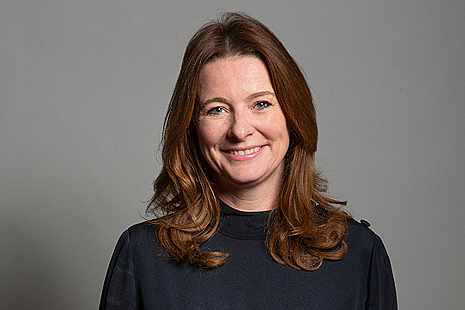
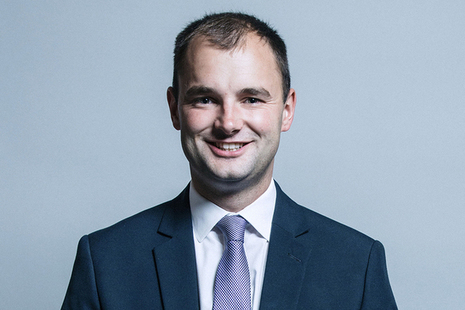
Our ministers



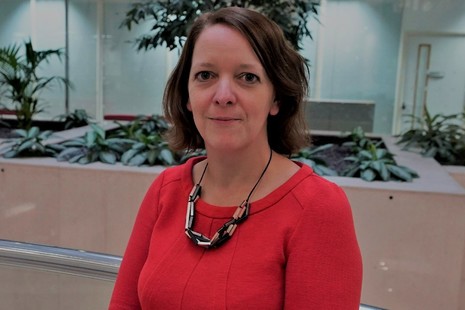
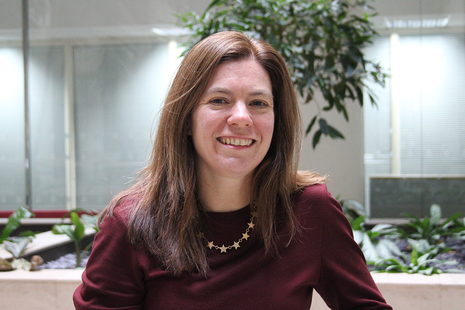
Our management










Contact DfE
General enquiries
Telephone
0370 000 2288
If you have a query about reinforced autoclaved aerated concrete (RAAC) in education settings, see our guidance. You can also contact our general enquiries line.
Opening times:
Monday to Friday: 9.30am to 5pm (excluding bank holidays)
Data collections helpdesk
For queries relating to school data collections or any of the following systems: S2S, ASP, GIAP, GIAS or COLLECT.
Preventing extremism in education settings
Telephone
020 7340 7264
Opening times
Monday to Friday from 11am to 3pm (excluding bank holidays)
You can report concerns about extremism related to education settings in England, including allegations about institutions, staff and external people or organisations trying to influence settings.
Media enquiries
Central newsdesk
020 7783 8300
Enquiry line for journalists only.
Make an FOI request
- Read about the Freedom of Information (FOI) Act and how to make a request.
- Check our previous releases to see if we’ve already answered your question.
- Make a new request by contacting us using the details below.
Freedom of information (FOI) requests
Piccadilly Gate
Store Street
Manchester
M1 2WD
United Kingdom
Telephone
0370 000 2288
Please note, we receive a large volume of requests asking for lists of contact details for schools, which are available from our 'Get information about schools' service (https://get-information-schools.service.gov.uk/)
High profile groups within DfE
Corporate information
Jobs and contracts
Read about the types of information we routinely publish in our Publication scheme. Our Personal information charter explains how we treat your personal information. Read our policy on Social media use.